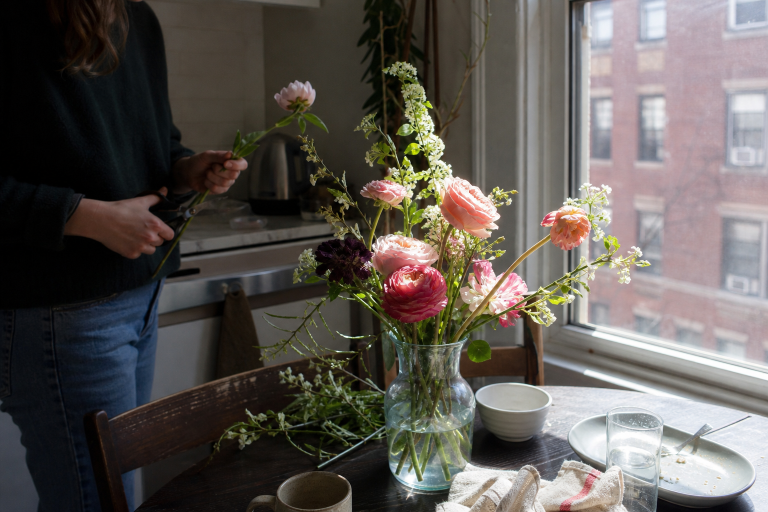
Fresh flowers can make a Boston apartment, brownstone, office, or family home feel more finished without requiring a major decorating project. Whether the occasion calls for a bright kitchen bouquet, a calm bedside arrangement, or same day flower delivery Boston MA, the most successful display is one that fits both the room and the routine of the people who live there.
Boston’s seasons make indoor displays especially welcome. Winter heating can dry indoor air, while summer sun can quickly warm a windowsill. A few thoughtful placements and care habits help flowers stay attractive, and houseplants adjust to indoor conditions.
Why Flowers and Plants Change a Room
Flowers add color, softness, height, and movement to spaces that may otherwise feel plain. Cut flowers create immediate impact, while houseplants offer a more lasting presence through foliage, shape, and texture. A low arrangement of tulips or ranunculus can make a dining table feel celebratory without blocking conversation. In contrast, a taller floor plant can bring balance to an unused living room corner or a bright bay window.
The goal is not to fill every open surface. A single vase on an entryway console, a leafy plant near a reading chair, or a compact arrangement on a home-office shelf can provide enough visual interest while preserving the room’s function.
Start with the Room, Not the Flower
Before selecting stems or plants, take a quick look at the space. This prevents common issues such as crowding, overheated flowers, and houseplants placed too far from usable light.
- Notice how much natural light reaches the room during the day.
- Measure the available tabletop, shelf, or floor space.
- Check for radiators, heating vents, air conditioners, and cold drafts near windows or doors.
- Keep displays out of busy walkways and, when needed, beyond the reach of curious pets or young children.
- Choose colors that complement the room’s existing materials, artwork, and textiles.
Best Choices for Common Boston Home Spaces
Entryways
Choose a welcoming display that does not obstruct coats, bags, or the route to the door. A compact vase on a console table works well in narrow hallways, while a tall planter can add structure beside a wider entrance.
Kitchens
Small arrangements are often best near a kitchen window or breakfast area. Keep them away from direct heat from the stove, and use strongly scented blooms only when their fragrance will not compete with cooking.
Bedrooms
Soft colors, modest containers, and easy-care foliage suit bedrooms well. Avoid oversized arrangements that crowd a nightstand or make it difficult to reach a lamp, book, or phone.
Home Offices
A small vase, trailing plant, or sculptural leafy plant can soften a work area without consuming useful desk space. Green foliage can be just as effective as bold flowers when the room already contains screens, papers, and visual clutter.
How to Make Cut Flowers Last Longer
A simple care routine is more dependable than improvised vase remedies. Start with a vase washed in hot, soapy water, then rinse it thoroughly. Remove leaves that would sit below the waterline, since submerged foliage can make the water deteriorate faster.
- Trim stems with a clean, sharp tool before arranging them.
- Fill the vase with fresh water and use the flower food supplied with the bouquet when available.
- Place the arrangement in a cool spot away from direct sun, heating vents, and ripening fruit.
- Check the water every day and replace it when it looks cloudy or begins to smell unpleasant.
- Re-trim stems when refreshing the water, especially if the flowers have been displayed for several days.
- Remove fading blooms promptly so the remaining flowers look their best.
Clean containers and floral preservative are standard practical steps for maintaining cut flowers, as outlined in these guidelines for washing containers and using fresh water with floral preservative. The routine is particularly useful when a bouquet is displayed in a warm Boston home during the heating season.
Common Vase-Care Mistakes
- Reusing a vase that still has residue or old plant material inside.
- Leaving leaves below the waterline.
- Setting flowers in a hot window or immediately beside a radiator.
- Keeping a bouquet near ripening fruit, which releases ethylene gas that can speed flower aging.
- Waiting too long to replace dirty water.
- Adding household ingredients without knowing whether they are suitable for that flower variety.
Houseplant Care Basics That Actually Matter
Light
Match the plant to the available light rather than forcing a sun-loving plant into a dim room. Bright direct light reaches plants in the path of the sun through a window. Bright indirect light is strong but filtered or set back from direct rays. Low-light locations receive less natural light and are better suited to plants selected for those conditions.
Water and Drainage
Do not rely on a fixed weekly watering schedule. Soil moisture, pot size, temperature, humidity, season, and plant type all affect how quickly a container dries. Test the potting mix before watering, then water thoroughly and discard excess water that collects in a saucer. These indoor plant watering recommendations also emphasize allowing containers to drain rather than leaving roots in standing water.
Temperature and Airflow
Stable conditions are usually easier on houseplants than frequent moves between hot, cold, bright, and dim locations. Keep plants away from constant blasts of heated or cooled air, and avoid pressing foliage against cold glass during severe winter weather.
Seasonal Flowers and Balanced Arrangements
Seasonal blooms help a display feel connected to Boston’s changing year. Spring arrangements may feature soft colors and delicate stems. Summer can support brighter tones and fuller shapes. Autumn often suits richer reds, rusts, golds, and textured branches, while winter arrangements can feel elegant with whites, evergreens, berries, and branches.
For a balanced arrangement, begin with one main color or mood. Add a focal flower, then supporting blooms in different sizes. Use greenery or textured stems to fill open spaces, vary heights without making the design top-heavy, and turn the vase as you work so every side looks intentional.
When a Houseplant Makes a Better Choice
A houseplant can be a better option for someone who wants a display with staying power. Choose one based on the recipient’s available light, travel schedule, and comfort with watering. A healthy plant in a suitable container can remain an appealing part of a room long after a cut-flower arrangement has faded.
A Practical Weekly Care Routine
- Check the vase water and remove fading stems.
- Wipe dust from broad houseplant leaves.
- Test the soil before watering any potted plant.
- Rotate plants slightly for more even growth.
- Look for yellow leaves, pests, or signs of stress.
- Move flowers and plants away from sudden heat, cold, or harsh sun when necessary.
Keep the Routine Simple
Beautiful flowers and healthy plants do not require complicated care. In Boston homes, a clean vase, fresh water, suitable light, good drainage, and a quick weekly check can make a meaningful difference. The best display is rarely the largest one. It is the one that fits the space, reflects the season, and receives the attention it needs.
