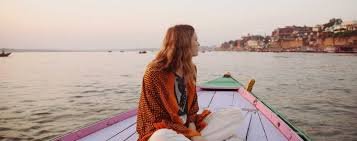
There’s a difference between visiting a place and actually experiencing it. You can tick off landmarks, take photos, try a few famous dishes — and still leave feeling like you only scratched the surface. I’ve had trips like that. They looked great on Instagram, but something felt… incomplete.
Then there are those rare journeys where you slow down. You stay a little longer, talk to locals, eat what they eat, maybe even live a bit like they do. And suddenly, the place doesn’t feel like a destination anymore. It feels real.
That shift — from seeing to understanding — is what makes travel memorable.
Moving From Tourist to Participant
Most travel today is fast-paced. Tight itineraries, packed schedules, constant movement. It’s efficient, sure, but it doesn’t always leave room for connection.
Cultural immersion is different. It asks you to step out of the observer role and become part of the environment, even if just briefly. You’re not just watching traditions; you’re experiencing them firsthand.
This is where the idea of Cultural Immersion Travel ka concept aur experience starts to resonate. It’s not about doing more things. It’s about doing fewer things, more deeply.
The Power of Everyday Moments
What surprises most people is that immersion doesn’t come from grand events. It often comes from the simplest moments.
Sharing a meal in a local home. Sitting in a small café where no one speaks your language fluently. Walking through a neighborhood market early in the morning.
These experiences don’t feel staged. They’re not designed for tourists. And that’s exactly why they stay with you.
They give you a glimpse into daily life — something guidebooks can’t fully capture.
Learning Without Trying Too Hard
One of the quiet benefits of immersive travel is how naturally learning happens.
You pick up bits of language without formal lessons. You understand cultural nuances without reading about them. You start noticing how people interact, what they value, how they live.
It’s not structured learning. It’s organic.
And because it’s tied to real experiences, it sticks. Long after the trip ends, you remember those small details — the way tea was served, the rhythm of conversations, the unspoken customs.
Letting Go of Comfort Zones
Of course, immersion isn’t always easy.
It can feel uncomfortable at times. You might not understand everything. You might make mistakes — say the wrong thing, misinterpret a gesture, feel out of place.
But that discomfort is part of the process.
It pushes you to be more present, more aware. And in a strange way, it makes the experience richer. Because you’re not just consuming a place — you’re engaging with it.
Why It Changes the Way You See Travel
Once you’ve experienced this kind of travel, it’s hard to go back to purely surface-level trips.
You start valuing depth over quantity. Instead of visiting five cities in a week, you might choose one and explore it slowly. Instead of ticking off attractions, you look for experiences that feel meaningful.
Travel becomes less about collecting places and more about understanding them.
And that shift stays with you.
Respect and Responsibility
There’s also an important layer of responsibility in immersive travel.
When you engage closely with local cultures, it’s essential to do so respectfully. That means being mindful of traditions, supporting local businesses, and avoiding behavior that might feel intrusive.
It’s easy to romanticize cultures from the outside, but real immersion involves respect — not just curiosity.
Being a good traveler isn’t just about where you go. It’s about how you show up.
Practical Ways to Experience It
You don’t need a complicated plan to travel this way.
Stay in locally-owned accommodations instead of large hotels.
Eat at small, family-run places rather than chains.
Join local workshops — cooking, crafts, music.
Take public transport instead of always relying on taxis.
These small choices create opportunities for connection.
And often, those connections become the highlight of your trip.
Final Thoughts
Travel, at its best, isn’t just about changing locations. It’s about changing perspective.
Cultural immersion doesn’t promise perfect experiences. It can be messy, unpredictable, sometimes even confusing. But it offers something deeper — a sense of connection that goes beyond photos and souvenirs.
And maybe that’s what we’re really looking for when we travel. Not just to see new places, but to understand them… and in the process, understand ourselves a little better.
Because the places we visit don’t just stay on the map. They stay with us.
