There’s something undeniably appealing about living in a home connected to a private well. It feels independent in a way city water never really does. No monthly municipal water bill. No relying entirely on public infrastructure. Just your own water source quietly supporting everyday life.
But anyone who’s lived with a well for long enough will tell you the same thing eventually: well water has personality.
Some days it’s crystal clear and tastes perfectly fresh. Other times, you notice a faint sulfur smell after heavy rain or reddish stains forming around sinks and bathtubs. Maybe the pressure changes unexpectedly, or the water suddenly tastes slightly metallic. Small things at first. Easy to ignore.
Until they aren’t.
That’s the reality of owning a private well. The water doesn’t stay exactly the same forever, and homeowners play a much bigger role in maintaining its quality than many people initially realize.
Why Well Water Is Different From City Water
Municipal water systems are constantly monitored and treated before reaching homes. Private wells work differently.
With well water, the homeowner becomes responsible for monitoring the safety and condition of the water supply. That doesn’t mean well water is automatically unsafe — honestly, many private wells provide excellent water. But conditions can shift over time because groundwater naturally changes with weather, nearby construction, seasonal runoff, and even aging well components.
That’s why people living with wells tend to become more aware of water quality than homeowners connected to city systems.
You start paying attention to things other people barely notice. Taste changes. Sediment buildup. Odd smells after storms. It becomes part of everyday home awareness.
Water Problems Usually Build Slowly
One tricky thing about water issues is how quietly they develop.
A little staining around faucets. Slightly cloudy water after rainfall. Hair feeling different after showers. Most homeowners adapt slowly instead of recognizing problems immediately. By the time something becomes obvious, the issue may have existed for months.
Iron is one of the most common culprits in well systems. It leaves reddish stains on sinks, tubs, and laundry. Sulfur can create that unmistakable rotten egg smell nobody wants in their shower. Sediment may collect inside plumbing and appliances, slowly reducing efficiency over time.
And honestly, sometimes the water still looks perfectly clear while problems exist beneath the surface.
That’s what makes private wells both fascinating and slightly unpredictable.
The Importance of Regular Testing
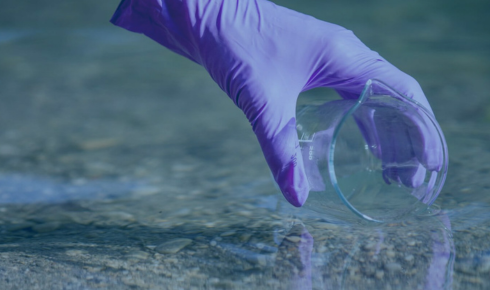
One of the smartest things any homeowner with a well can do is prioritize water testing regularly instead of waiting for obvious warning signs.
Testing reveals what’s actually happening inside the water supply beyond what taste, smell, or appearance can show. Bacteria, nitrates, pH imbalance, iron, hardness, sulfur, and other contaminants aren’t always visible to the naked eye.
And honestly, guessing is risky.
A professional test helps homeowners understand whether they’re dealing with harmless minerals, potential contamination, or issues affecting plumbing and appliances. Once the results are clear, choosing the right treatment becomes far more practical and cost-effective.
Without testing, people often buy expensive systems solving problems they never truly had while ignoring the real issue entirely.
Every Well Has Its Own Personality
Something people quickly learn about private wells is that no two are exactly alike.
One household may struggle mostly with hard water minerals. Another deals with sediment or sulfur odors. Rural homes near agricultural areas may face completely different concerns than homes located near wooded or rocky terrain.
That’s why treatment solutions vary so much from property to property.
There’s no universal setup that works perfectly everywhere. The best systems are usually designed specifically around the condition of the home’s water rather than generic online recommendations or aggressive marketing claims.
And honestly, the water treatment industry can become overwhelming once you start researching it. Every company claims their filter is revolutionary. Every advertisement promises miracle results.
Reality is usually much simpler than the sales pitch.
Finding the Right Treatment Matters
Good well water treatment isn’t about chasing perfect water. It’s about creating consistent, dependable water conditions that support everyday comfort and protect the home itself.
Depending on the situation, treatment may involve sediment filters, softeners, iron removal systems, UV purification, carbon filters, or multi-stage setups combining several approaches together.
The goal is practical improvement.
Cleaner showers. Better tasting water. Reduced staining. Less wear on appliances. More confidence using the water every day without constantly wondering what’s coming through the pipes.
And honestly, that peace of mind matters more than people expect.
Maintenance Is Part of Well Ownership
One thing well owners eventually realize is that treatment systems still require care.
Filters need replacement. Pumps should be inspected periodically. Pressure tanks, softeners, and purification systems benefit from routine maintenance to stay effective over time.
Fortunately, most modern systems are easier to manage than older generations used to be. Homeowners usually settle into a fairly simple maintenance routine once everything is installed properly.
And compared to dealing with contaminated water, damaged appliances, or unexpected plumbing repairs, routine upkeep feels relatively manageable.
Still, consistency matters.
Good Water Quietly Improves Daily Life
The funny thing about clean water is that when it’s working properly, you barely think about it at all.
Showers feel normal again. Coffee tastes right. Laundry comes out cleaner. Faucets stay cleaner longer. Life simply becomes a little easier without demanding attention every five minutes.
And maybe that’s the real goal for homeowners with private wells.
Not perfection. Not complicated technology. Just dependable water that quietly supports everyday life the way it should.
Because once you’ve dealt with bad water for long enough, you realize something simple: clean water doesn’t just affect the house. It affects how comfortable home itself feels.
