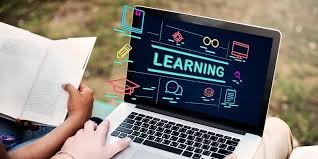
There’s a moment every student knows too well — sitting with a heavy textbook, staring at pages that just won’t stick. You read, reread, maybe underline a few lines… and still, nothing quite clicks. It’s not always about effort. Sometimes, it’s just the way we’re trying to learn.
That’s where microlearning has started to make a difference. Not loudly, not dramatically — but in small, almost invisible ways that add up over time.
What Microlearning Really Feels Like
Microlearning isn’t some complicated concept. It’s basically learning in short, focused bursts. Think 2–5 minute lessons instead of hour-long sessions. Quick videos, bite-sized quizzes, flashcards you can scroll through while waiting for your chai to cool.
It fits into life instead of interrupting it.
And maybe that’s why it works.
Students today are constantly juggling things — classes, assignments, side projects, sometimes even part-time work. Sitting for long, uninterrupted study sessions isn’t always realistic. Microlearning meets them where they are, rather than expecting them to adjust everything around studying.
The Attention Span Problem (That No One Likes to Admit)
Let’s be honest for a second — attention spans aren’t what they used to be. Notifications, social media, endless scrolling… it all adds up. Concentrating for long stretches can feel like climbing a hill.
Microlearning doesn’t fight that reality. It works with it.
Short lessons reduce mental fatigue. You don’t feel overwhelmed before you even begin. And because the content is compact, it’s easier to absorb and remember.
There’s also a sense of progress. Finishing a small lesson gives you a quick win, and those little wins? They’re surprisingly motivating.
Where Productivity Starts to Shift
Now here’s where things get interesting.
Productivity isn’t just about how much time you spend studying. It’s about how effectively you use that time. You could sit for three hours and still feel lost, or you could spend 30 focused minutes and actually understand something.
Microlearning leans toward the second approach.
Instead of cramming information, it breaks concepts into digestible chunks. That makes revision easier, too. You’re not relearning everything — just refreshing small pieces.
Somewhere in this shift, people have started noticing Microlearning Apps ka impact students ki productivity par — not as a sudden breakthrough, but as a steady, consistent improvement.
Learning Becomes… Less Intimidating
There’s a psychological angle to all of this that doesn’t get talked about enough.
Big tasks can feel intimidating. Opening a thick book or starting a long lecture can create resistance. You procrastinate, delay, and before you know it, the day’s gone.
Microlearning lowers that barrier.
Starting a 3-minute lesson feels easy. Almost too easy. And once you start, it’s often simpler to continue. One lesson turns into three, then five. Without realizing it, you’ve covered a fair amount of ground.
It’s a subtle trick, but an effective one.
Not Just for Academics
Another thing worth noticing — microlearning isn’t limited to school subjects.
Students are using these apps to learn languages, coding basics, communication skills, even productivity hacks themselves. It’s not always about exams. Sometimes it’s about curiosity, or just wanting to get better at something.
And because the format is flexible, it doesn’t feel like traditional studying. It feels lighter, more engaging.
Almost like learning on your own terms.
The Downsides We Shouldn’t Ignore
Of course, it’s not perfect.
Microlearning works best for certain types of content — definitions, concepts, quick skills. But for deep understanding, complex theories, or critical thinking, longer study sessions are still important.
There’s also the risk of fragmentation. Jumping between tiny lessons without connecting the dots can leave gaps in understanding.
And then there’s distraction. Ironically, learning through apps can sometimes lead to… other apps. One notification, one quick scroll, and suddenly your “learning session” has disappeared.
So balance matters.
Finding the Right Middle Ground
The real strength of microlearning isn’t that it replaces traditional studying. It complements it.
Use it for revision, quick learning, and building habits. Combine it with deeper study sessions when needed. That mix — short bursts and longer focus — tends to work better than relying on just one method.
It’s less about choosing sides and more about building a system that fits your routine.
Final Thoughts
Education has always evolved, just not always this quietly.
Microlearning apps aren’t trying to reinvent learning overnight. They’re just making it a little more accessible, a little more manageable. And sometimes, that’s enough.
For students feeling overwhelmed or stuck, this approach can offer a fresh start — not by demanding more effort, but by changing how that effort is applied.
And maybe that’s the real shift here.
Not learning more, but learning smarter.
