There are certain household problems people just learn to live with. Towels that feel stiff even after washing. White residue around faucets that seems to reappear overnight. Shower doors that never quite look clean no matter how hard you scrub them.
Most homeowners blame cleaning products, cheap detergent, or aging appliances. And honestly, that’s understandable. Water itself rarely gets the blame at first.
But sometimes the issue isn’t your washing machine or your soap. Sometimes it’s the water running through the entire house every single day.
Once people realize that, a lot of random household frustrations suddenly start making sense.
Hard Water Is More Common Than People Think
A surprising number of homes deal with hard water, especially in areas where groundwater naturally contains higher levels of calcium and magnesium. The funny thing is, many homeowners don’t even realize they have it because the changes happen slowly over time.
At first, maybe your dishes look slightly cloudy after washing. Then soap stops lathering properly. Eventually you notice mineral buildup around sinks, dry skin after showers, or appliances needing repairs more often than expected.
I remember talking to someone who replaced their coffee maker twice in three years before discovering mineral buildup from untreated water was slowly damaging the machine from the inside.
Water has a sneaky way of affecting things quietly.
Laundry Often Reveals Water Problems First
One of the first places hard water tends to show up is in the laundry room. Clothes can feel rough even after using fabric softener. White shirts start looking dull faster than expected. Towels lose that fluffy feeling people want fresh out of the dryer.
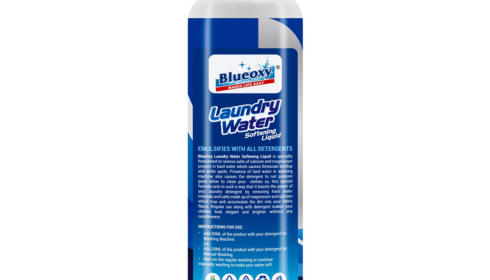
That’s where a laundry water softener can make a surprisingly noticeable difference.
Softened water helps detergent dissolve more effectively and allows fabrics to rinse cleaner. The result isn’t dramatic overnight magic, but over time clothes often feel softer, colors stay brighter longer, and towels stop feeling strangely stiff.
Honestly, it’s one of those improvements people don’t fully appreciate until they experience it consistently.
Water Touches More Than Just the Laundry Room
The thing about household water is that it doesn’t stay in one place. The same minerals affecting your towels are also moving through showers, dishwashers, water heaters, coffee makers, and plumbing fixtures every day.
Hard minerals slowly collect inside appliances and pipes, reducing efficiency little by little. Water heaters work harder. Faucets develop scale buildup. Showerheads clog more quickly than they should.
And because these changes happen gradually, homeowners often assume it’s just normal aging or routine maintenance.
But when water conditions improve, people suddenly realize how much extra work and frustration they’d quietly accepted as normal.
Softer Water Changes Daily Routines Quietly
One thing people consistently say after installing a water softener is how many little details around the house improve all at once.
Soap rinses better. Hair feels smoother after showers. Glassware comes out cleaner from the dishwasher. Even shaving can feel different because softened water allows products to lather more naturally.
These aren’t flashy transformations people post dramatic before-and-after photos about. They’re quieter than that.
But honestly, quiet improvements are often the ones that matter most because they affect routines people repeat every single day.
Why Hard Water Costs More Than Expected
Many homeowners only think about water in terms of comfort, but hard water can quietly become expensive too.
Mineral buildup inside appliances reduces efficiency over time. Water heaters may require more energy to operate. Dishwashers and washing machines often experience more wear when constantly dealing with heavy mineral content.
Even plumbing systems can suffer gradually as scale accumulates inside pipes.
I once heard someone describe hard water as “death by a thousand tiny maintenance issues,” and honestly, that wasn’t far off.
The frustrating part is many of those costs happen slowly enough that homeowners never connect them directly to their water supply.
Every Home Experiences Water Differently
Not every home with hard water experiences identical problems. Some households mainly notice dry skin and dull laundry. Others deal more with appliance scaling or stubborn bathroom stains.
That’s why proper testing matters before choosing treatment equipment. Understanding the mineral content and specific conditions of your home’s water helps determine what kind of system actually makes sense.
A small household with moderate hardness may need a very different setup compared to a large family home using well water.
Guessing usually creates more frustration than clarity.
Better Water Makes a Home Feel Easier to Maintain
One underrated benefit of softened water is how much easier routine cleaning often becomes.
Soap scum decreases. Mineral stains around sinks and faucets become less aggressive. Shower glass stays cleaner longer. Dishes look clearer without constant polishing.
It doesn’t eliminate cleaning entirely, obviously, but it reduces the feeling of fighting your water every time you wipe down a bathroom.
And honestly, anything that cuts down repetitive household chores tends to feel worthwhile pretty quickly.
Comfort Is Built Through Small Details
The interesting thing about improving water quality is that most homeowners aren’t chasing luxury. They simply want a home that feels more comfortable and easier to live in.
Soft towels. Cleaner dishes. Showers that don’t leave skin dry. Appliances that last longer. Water that works with the house instead of quietly working against it.
Those small details shape everyday comfort more than people usually realize.
Better Water Brings Peace of Mind Too
At the end of the day, fixing hard water isn’t really about perfection. It’s about removing tiny frustrations that slowly pile up over time.
You stop wondering why your laundry feels rough. You stop scrubbing white buildup off faucets constantly. You stop replacing appliances earlier than expected because minerals are slowly wearing them down from the inside.
Life simply feels smoother.
And maybe that’s why homeowners who improve their water systems often say the same thing afterward: they wish they’d done it sooner.
Because once better water becomes part of daily life, it’s surprisingly hard to imagine going back to simply tolerating the problems that used to feel “normal.”
