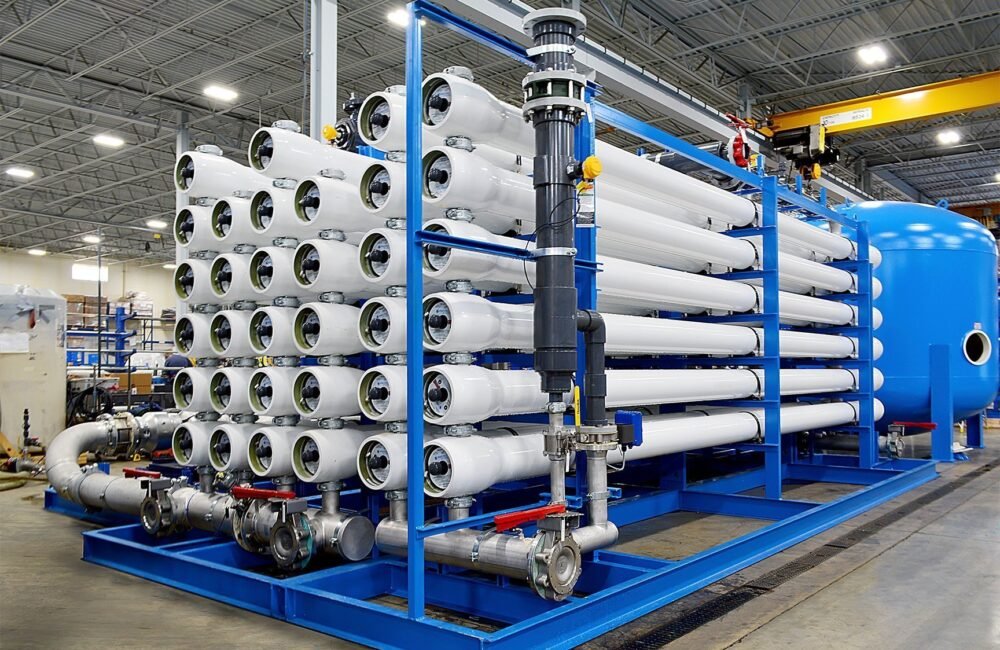
Water treatment is one of those things people rarely think about until something starts going wrong. At home, it might be hard water leaving spots on glasses or an unpleasant taste that makes everyone reach for bottled water. In a business, the stakes can be even higher. Water quality may affect equipment, daily operations, customer experience, and maintenance costs.
The good news is that there isn’t just one way to treat water.
Modern water treatment can be tailored to the source, the problem, and the way the water is actually being used. A family may need better drinking water at the kitchen sink, while a restaurant, office, hotel, or manufacturing facility could require a much broader approach.
That difference matters.
The best treatment system isn’t necessarily the biggest, most expensive, or most complicated one. It’s the one that addresses the actual water conditions and fits the needs of the people or business using it.
Water Needs Are Different From One Property to Another
Two buildings can be located on the same street and still have completely different water concerns.
One property may struggle with hardness and mineral buildup. Another might have sediment, unusual taste, iron staining, or specific concerns related to a private well. Commercial properties can face additional challenges because they often use far greater volumes of water.
That is why residential and commercial water treatment solutions should be based on the needs of the individual property rather than a one-size-fits-all recommendation.
A homeowner may only need a point-of-use system for drinking and cooking. Another household might benefit from treatment that protects appliances and plumbing throughout the entire house.
For a business, the conversation can become more complex. A restaurant may want better water for beverages and food preparation, while also protecting ice machines and dishwashing equipment. An office may focus on providing good-tasting drinking water for employees and visitors. Industrial or specialized facilities may have entirely different water quality requirements.
The starting point is understanding the water.
Testing Helps Take the Guesswork Out of Treatment
It’s tempting to diagnose water problems based on what you can see or taste.
Cloudy water may suggest sediment. Orange stains might point toward iron. White buildup around faucets can be associated with hard water.
But appearances only tell part of the story.
Some substances dissolved in water cannot be detected simply by looking at a glass. Water can appear perfectly clear while still containing characteristics that influence treatment decisions.
Testing provides useful information about the incoming water. Depending on the source and the reason for testing, this may include hardness, pH, iron, manganese, sediment, dissolved solids, and other relevant factors.
For private wells, appropriate testing can be particularly important because conditions may change over time.
Once the water has been evaluated, choosing equipment becomes much easier. Instead of buying a system because it has an impressive list of features, homeowners and businesses can focus on technology designed for their actual situation.
It’s a much smarter way to spend money.
Modern Water Refining Technology Can Address Specific Problems
Today’s treatment equipment can do far more than simply run water through a basic filter.
Depending on the system, technology may be used to reduce sediment, address hardness minerals, improve taste, manage certain dissolved substances, or treat other specific concerns identified through testing.
Many state-of-the-art water refiners combine carefully selected treatment methods into a system designed for particular water conditions. The equipment may include filtration media, control valves, monitoring features, or multiple treatment stages.
The exact design matters.
For example, hard water may require a softening process, while sediment may need to be addressed before the water reaches other sensitive equipment. In some cases, pre-treatment can help protect downstream systems and improve their long-term performance.
That’s why good system design is often more important than simply adding more equipment.
A treatment setup should work like a team. Each component should have a purpose and support the next stage rather than creating unnecessary complexity.
Hard Water Can Affect More Than Your Dishes
Hard water is one of the most common reasons homeowners begin looking at treatment options.
The signs can be frustrating but familiar: cloudy glassware, soap that doesn’t seem to rinse properly, mineral buildup around faucets, and spots on freshly washed dishes.
Over time, hardness minerals may also contribute to scale buildup in certain plumbing components and water-using appliances.
Water softening systems are designed to address this issue, but proper sizing is important. A small system may struggle to keep up with a large household or a busy commercial environment.
This is another area where water usage matters.
A couple living in a small home will likely have different needs than a family of six. Likewise, a small office and a busy restaurant should not automatically be treated as if they use water in the same way.
Understanding daily usage helps determine what type and capacity of equipment may be appropriate.
Reverse Osmosis Brings Treatment Closer to the Point of Use
While whole-property systems can address water used throughout a building, drinking and cooking water may require a different approach.
This is where reverse osmosis drinking water systems can be useful.
Reverse osmosis typically uses a semipermeable membrane along with additional filtration stages. Depending on the design and the incoming water, the system can help reduce a range of dissolved substances and improve the overall quality and taste of water at a specific point of use.
These systems are commonly installed beneath a kitchen sink or in another dedicated location.
For a household, that may mean having treated water available for drinking, cooking, coffee, tea, and reusable bottles. In a workplace, a dedicated drinking water system can provide an alternative to repeatedly purchasing and storing bottled water.
The technology is usually designed for drinking water rather than treating every gallon used throughout an entire property. That distinction can make the setup more practical and cost-effective.
Commercial Water Treatment Requires a Broader View
Businesses often have to think about water in several different ways.
There is water employees drink. Water customers experience. Water used by equipment. Water used for cleaning, food preparation, manufacturing, or other operations.
A single treatment system may not be appropriate for all of those needs.
For example, an office may benefit from improved drinking water at selected locations, while a restaurant may need treatment that also protects equipment such as ice machines and dishwashers. A hotel may have concerns about water throughout a much larger plumbing system.
The best commercial setup often begins with a clear understanding of where and how water is being used.
From there, treatment can be targeted.
This approach can help avoid unnecessary costs. There is little reason to use highly specialized drinking water treatment for applications that don’t require it. On the other hand, ignoring a water issue affecting expensive equipment can lead to greater maintenance expenses over time.
Balance is the key.
Installation and Maintenance Should Never Be an Afterthought
Even excellent equipment needs to be installed and maintained properly.
Filters eventually need replacement. Treatment media can have a limited capacity. Control systems may require inspection or servicing. Membranes used in drinking water treatment have their own maintenance schedules.
Before purchasing a system, it is worth asking some practical questions.
How often will maintenance be required? What do replacement components cost? Are filters easy to obtain? Can basic servicing be handled by the owner, or will professional support be needed?
These details may not sound exciting during the shopping process, but they matter a great deal a year or two later.
A water treatment system should fit into the routine of the property. If maintenance is difficult or expensive, there is a greater chance that it will be delayed or ignored.
A simpler, properly maintained system can often be more valuable than a complicated one that receives little attention.
A Custom Approach Usually Delivers Better Results
Water treatment works best when it begins with questions rather than assumptions.
What is in the water? How much water is being used? What problems are actually occurring? Is the goal better drinking water, appliance protection, improved taste, or a combination of several things?
The answers help shape the solution.
Some properties need only one treatment method. Others may require several stages working together. A home with hard water and poor-tasting drinking water, for instance, may use a whole-home softening system alongside a separate drinking water treatment unit.
A commercial property may need an even more customized design.
There is no universal system that is perfect for every building. And that’s actually a good thing. Modern treatment technology gives homeowners and businesses the flexibility to choose solutions that match their real needs.
Good Water Treatment Should Make Everyday Life Easier
At its best, a water treatment system becomes almost invisible.
You don’t want to spend every morning wondering whether the water is going to taste strange. A business owner doesn’t want equipment constantly affected by avoidable water-related issues. Families want to fill a glass, make dinner, and move on with their day.
That’s what makes the right treatment solution worthwhile.
The process begins with understanding the water and identifying the real concern. From there, properly selected equipment can address specific issues without adding unnecessary complexity.
Whether the goal is protecting a home’s plumbing, improving water for a busy business, or enjoying better drinking water at the tap, the same basic principle applies: choose treatment based on facts, not guesswork.
