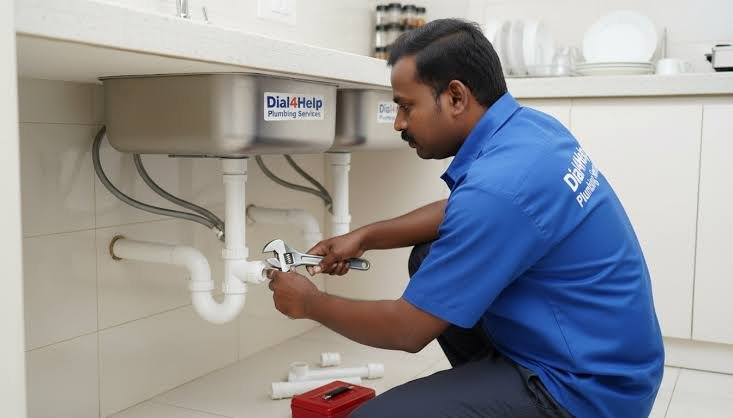
Plumbing is one of those things most people rarely think about until something goes wrong. The kitchen sink drains slowly, the shower suddenly turns cold, or a small patch of water appears beneath the bathroom vanity. At first, these problems may seem minor. Leave them alone for too long, though, and they can turn into expensive repairs that disrupt your entire household.
Finding a dependable plumber before an emergency happens can save you time, money, and quite a bit of frustration. It also helps you make better decisions when repairs are needed, rather than rushing to hire the first person who answers the phone. A little preparation goes a long way, especially when you know what to look for and which questions to ask.
Why Professional Plumbing Help Matters
Some household maintenance jobs are easy enough to handle yourself. Replacing a showerhead or cleaning a sink stopper usually doesn’t require much experience. Plumbing issues involving hidden pipes, water pressure, sewage, or complicated fixtures are another matter entirely.
Professional plumbing services can help homeowners identify the actual cause of a problem instead of simply treating the visible symptoms. For instance, a dripping tap might need a new washer or cartridge, but persistent dampness beneath a sink could point to a damaged connection or a leaking supply line. The difference matters because repairing the wrong thing may only provide temporary relief.
Experienced plumbers also understand how different parts of a plumbing system work together. A blockage in one drain might affect another fixture, while unusually high water pressure can place unnecessary strain on pipes, valves, and appliances. Proper diagnosis helps prevent repeat problems and unnecessary spending.
Small Warning Signs You Shouldn’t Ignore
Plumbing problems rarely arrive with a convenient warning. Sometimes, however, your home gives you subtle clues that something isn’t quite right.
Pay attention to slow-draining sinks, gurgling noises, unpleasant smells from drains, or toilets that keep running after being flushed. These issues don’t always indicate a major fault, but they deserve attention when they persist. A sudden increase in your water bill can also suggest a hidden leak, particularly if your household’s water usage hasn’t changed.
Look beneath sinks and around toilets occasionally. Check for loose connections, swollen cabinet panels, peeling paint, or unexplained damp patches. Water can travel along surfaces before becoming visible, so the spot where you notice damage isn’t necessarily where the leak began.
It’s tempting to postpone a repair that doesn’t seem urgent. After all, a slow drip doesn’t look especially threatening. But even a small leak can damage cabinetry, encourage mould growth, and waste water over time. Dealing with it early is usually easier than repairing the surrounding damage later.
Knowing When to Call for Emergency Assistance
Some plumbing situations simply cannot wait until the next convenient appointment. A burst pipe, overflowing toilet, major leak, or sewage backup can quickly make parts of a home unusable. In these circumstances, emergency services from a qualified plumber may be essential.
The first step is to limit the damage. If water is escaping from a pipe or fixture, turn off the relevant isolation valve if you can reach it safely. If you cannot identify the correct valve, shutting off the home’s main water supply may help. Keep clear of standing water near electrical outlets or appliances, and never enter a flooded area if electrical hazards are possible.
Once the immediate risk is under control, contact a plumber and explain what’s happening. Be specific about the location, the amount of water involved, and whether the leak is continuing. Clear information can help the professional prepare for the job.
Before an emergency occurs, find out whether your chosen plumber offers after-hours assistance. Ask how emergency call-out fees work, whether response times vary by location, and whether the quoted price covers diagnosis or only the initial visit. Knowing these details beforehand can spare you an unpleasant surprise when you’re already stressed.
Choosing a Plumber You Can Trust
A good plumber should be willing to explain the problem in plain language. You don’t need a technical lecture, but you should understand what’s wrong, what needs fixing, and why the recommended solution makes sense.
Start by checking relevant licences or qualifications where required, along with insurance and recent customer reviews. Recommendations from friends, neighbours, or property managers can also be useful, particularly when they’ve dealt with similar repairs.
Ask for a written estimate before work begins whenever practical. The estimate should outline the expected work, materials, labour, and any additional charges that might apply. Not every repair can be priced precisely before inspection, but a trustworthy professional should explain what remains uncertain.
Be cautious of anyone who insists on replacing an entire system without examining it properly or pressures you into making an immediate decision on an expensive job. Sometimes replacement really is the sensible option, especially when equipment is old or badly damaged. Still, you deserve a clear explanation of the alternatives.
Communication matters, too. A plumber who arrives when promised, protects your home while working, and explains how to prevent the same problem from returning is often worth keeping as a long-term contact.
Why Location and Availability Make a Difference
When water is leaking through a ceiling or a toilet has stopped working, distance can become an important factor. A qualified professional who works regularly in your neighbourhood may be familiar with local building styles, common pipe materials, and the practical challenges of older properties.
It’s worth checking the provider’s service areas before booking an appointment. Some plumbing companies cover a broad region, while others concentrate on particular neighbourhoods or nearby towns. Confirming coverage early avoids delays, unexpected travel charges, or discovering that the company cannot attend your property at all.
Availability is just as important. A plumber may offer excellent routine maintenance but have limited capacity for urgent calls. Another might provide round-the-clock emergency assistance while scheduling non-urgent work several days ahead. Neither arrangement is automatically better; what matters is finding a service that matches your household’s needs.
If you own a rental property or manage several buildings, consider keeping contact details for a reliable plumber who can handle recurring maintenance as well as unexpected repairs. A little continuity can make future visits smoother.
Simple Habits That Help Prevent Plumbing Trouble
Professional repairs are important, but everyday habits can reduce the likelihood of avoidable problems. Never pour cooking grease down the kitchen sink, and avoid flushing wipes, sanitary products, or other unsuitable materials down the toilet. Even products labelled flushable can contribute to blockages.
Clean accessible drain strainers regularly, inspect exposed pipes for corrosion, and check under sinks for signs of moisture. During colder weather, protect vulnerable pipes from freezing where relevant. If your water heater shows signs of leaking, unusual noises, or inconsistent performance, arrange an inspection instead of repeatedly resetting it or ignoring the symptoms.
It’s also sensible to learn where your main water shut-off valve is located. That small bit of knowledge can make a considerable difference when a pipe suddenly fails.
A Little Preparation Can Save a Lot of Stress
Reliable plumbing isn’t just about fixing leaks after they appear. It’s about protecting your home, keeping daily routines comfortable, and knowing who to contact when something goes wrong.
Take time to research local professionals, understand their pricing, and save the contact details of a plumber you trust. Deal with warning signs before they grow into bigger problems, and don’t hesitate to ask questions when a repair seems unclear.
You may go months without needing a plumber, and that’s a good thing. But when the day comes, having the right person to call can turn a stressful situation into a manageable one. Sometimes, peace of mind starts with something as simple as being prepared.
