Running a business already comes with enough moving parts. Then add a renovation, office relocation, warehouse cleanup, or construction job, and suddenly waste becomes a problem of its own. Cardboard piles up. Old fixtures need somewhere to go. Broken drywall and packaging start taking over valuable floor space.
It’s easy to underestimate how quickly commercial waste accumulates. What begins as a few discarded materials can turn into several truckloads before you know it.
A well-planned dumpster rental can make the situation much easier. Instead of treating waste as an afterthought, businesses can build disposal into the project from the start. That means cleaner work areas, fewer interruptions, and one less thing for employees or contractors to worry about.
Why Commercial Waste Needs Better Planning
Residential trash collection usually isn’t designed for large business projects. A company remodeling an office or clearing a warehouse may produce more waste in a week than a household produces in months.
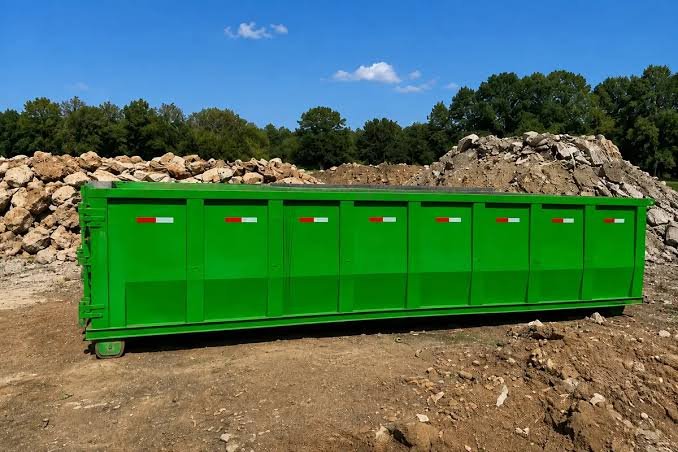
A commercial dumpster rental provides a dedicated space for project debris, allowing employees and contractors to dispose of materials as they work.
That matters for more than appearance. A cluttered worksite can slow people down and create unnecessary safety concerns. Boxes in walkways, loose materials around loading areas, and piles of broken equipment aren’t exactly ideal for a busy workplace.
With a dumpster positioned in a sensible location, waste can leave the active work area almost as quickly as it appears.
Construction Projects Create Unique Challenges
Construction sites tend to produce a strange mixture of waste. There might be lumber, drywall, flooring, insulation, packaging, metal, cabinets, and other materials all arriving and leaving at different times.
During construction projects, waste management should be considered alongside the work schedule rather than left until the final cleanup.
If demolition starts Monday morning, for example, the dumpster should ideally be ready before the first wall comes down. Otherwise, workers may create temporary debris piles that have to be moved later.
That extra handling wastes time. It also means people are moving the same material more than once, which isn’t particularly efficient.
Choosing the Right Dumpster Size
Dumpster size is one of the most important decisions you’ll make.
Containers are generally measured in cubic yards, and the right size depends on the amount and type of material you’re expecting to remove.
A small office refresh might require a relatively modest container. A warehouse cleanout or major commercial renovation could require something much larger.
Don’t estimate based only on the first day’s waste. Think about the complete project.
If you’re removing old flooring, cabinets, desks, shelving, drywall, and fixtures, the volume can add up quickly. Bulky items can also consume space faster than expected.
When in doubt, explain the project to the dumpster provider. Give them details about the building, the type of waste, and the expected duration. Their experience can help you choose a container without simply guessing.
Business Cleanouts Can Be Surprisingly Large
Businesses accumulate things just like homes do—only sometimes on a much larger scale.
An office might have decades of old desks, chairs, filing cabinets, equipment, cardboard, and outdated fixtures. A retail store may need to dispose of shelving, displays, packaging, and damaged inventory.
During business cleanouts, a dumpster can provide a central location for materials that no longer have a purpose.
This is especially useful when a company is relocating or closing a facility. Instead of filling employee vehicles or arranging several separate disposal trips, the cleanup team can work through the property systematically.
Sort what should be donated, recycled, sold, or disposed of, then use the dumpster for materials that belong there.
Think About Weight as Well as Volume
A dumpster isn’t full just because it looks full.
Weight can become a serious consideration when disposing of dense materials such as concrete, brick, dirt, asphalt, or roofing waste. These materials can reach weight limits even when there is still visible space inside the container.
Before ordering, ask about the included weight allowance and any additional charges.
If your project involves heavy construction materials, be upfront about it. A provider can recommend an appropriate solution and explain any restrictions before delivery.
For ordinary office waste, weight may be less of a concern. But for demolition and construction, it deserves attention.
Make Dumpster Placement Part of the Site Plan
Where you put the dumpster can affect the entire workflow.
The container should be accessible to the delivery truck without creating problems for employees, customers, contractors, or other vehicles. Check for overhead wires, tree branches, loading docks, gates, and narrow access points.
You also want the dumpster reasonably close to the work area. If employees have to carry heavy debris across a parking lot all day, the process becomes slower and more tiring.
At the same time, don’t place it somewhere that blocks emergency access or interferes with normal business operations.
A little planning goes a long way.
Know What Materials Are Accepted
Businesses should never assume that everything can be thrown into a dumpster.
Many providers accept common materials such as wood, drywall, cardboard, furniture, flooring, carpeting, and general construction debris. Certain hazardous materials, chemicals, batteries, tires, electronics, and other regulated items may require separate disposal.
Rules vary between providers and local disposal facilities.
Before work begins, request a list of prohibited materials. Share it with employees and contractors so everyone understands what can and cannot go into the container.
This simple step can prevent rejected loads and unexpected disposal problems.
Keep the Dumpster Safely Loaded
How the dumpster is loaded matters.
Large cardboard boxes and bulky items should be broken down where practical. Heavier materials should be distributed rather than piled heavily in one area.
Never allow debris to extend above the top of the container. Overfilled dumpsters can create transportation hazards and may need to be corrected before pickup.
Workers handling demolition debris should also use suitable protective equipment. Nails, sharp metal, broken glass, and splintered lumber can cause injuries quickly.
The goal isn’t just to remove waste. It’s to remove it safely.
Schedule Delivery and Pickup Carefully
Commercial projects often operate on strict schedules, so delivery and pickup should be coordinated with the work plan.
Have the dumpster arrive shortly before the waste-generating portion of the project begins. If demolition is expected to last two weeks, for example, make sure the rental period covers that timeframe.
Ask how pickup is scheduled. Some companies require a call when the container is ready, while others arrange pickup in advance.
If the project is delayed, communicate early. If it finishes ahead of schedule, ask whether early removal is available.
Good communication prevents the dumpster from becoming an obstacle instead of a solution.
Waste Management Doesn’t Have to Be Complicated
Commercial waste is unavoidable, but the confusion surrounding it doesn’t have to be.
When businesses choose the right dumpster size, plan placement carefully, understand weight restrictions, and schedule delivery and pickup around their actual workflow, waste becomes much easier to manage.
Whether you’re renovating an office, clearing a warehouse, or handling a construction site, a dumpster provides something every busy project needs: a simple place for the mess to go.
The work itself may still be noisy, dusty, and occasionally frustrating. That’s construction for you. But when debris is controlled from the beginning, the whole operation tends to feel more organized.
And when the final load is hauled away and the work area is finally clear, you can get back to what matters most—running the business.
