Water is one of those things most people rarely think about until something seems wrong. Perhaps the tap water tastes different, white marks keep appearing on shower doors, or soap refuses to lather properly. Sometimes the problem is more noticeable, such as a strange odour, cloudy water, or a plumbing fixture that keeps developing mineral deposits. These little frustrations can affect everyday life more than we realise.
The right solution depends on what’s actually in the water and how it enters the home. Some households need better drinking-water treatment, others struggle with hard water, and many benefit from regular plumbing maintenance. Understanding these differences helps homeowners choose practical improvements instead of spending money on equipment that doesn’t address the real issue.
Understanding What’s in Your Water
Water quality varies from one location to another. Municipal supplies are generally treated and monitored, but water can still contain minerals, disinfectant by-products, or other substances that affect its taste, appearance, or suitability for particular uses. Private wells may have different concerns, including naturally occurring minerals, bacteria, or locally relevant contaminants.
The first step is to identify the problem rather than guessing. A water test can measure specific characteristics such as hardness, pH, iron, and certain contaminants. The appropriate testing method depends on the water source and the concern being investigated. For example, a hardness test won’t tell you whether water contains bacteria, and a basic drinking-water filter won’t necessarily remove every unwanted substance.
Look for patterns around the house, too. White crust on faucets often suggests mineral buildup, while reddish-brown stains may indicate iron. These clues are useful, but they’re not a substitute for testing when safety or drinking-water quality is in question.
Once you understand the results, it becomes easier to compare treatment options. You can focus on equipment designed for the actual issue instead of buying a system based on broad marketing claims.
When Reverse Osmosis Makes Sense
Drinking water has a direct connection to daily comfort. Many people want water that tastes pleasant, works well for cooking, and gives them confidence in what they’re drinking. Depending on the water source, a suitable treatment system can help achieve those goals.
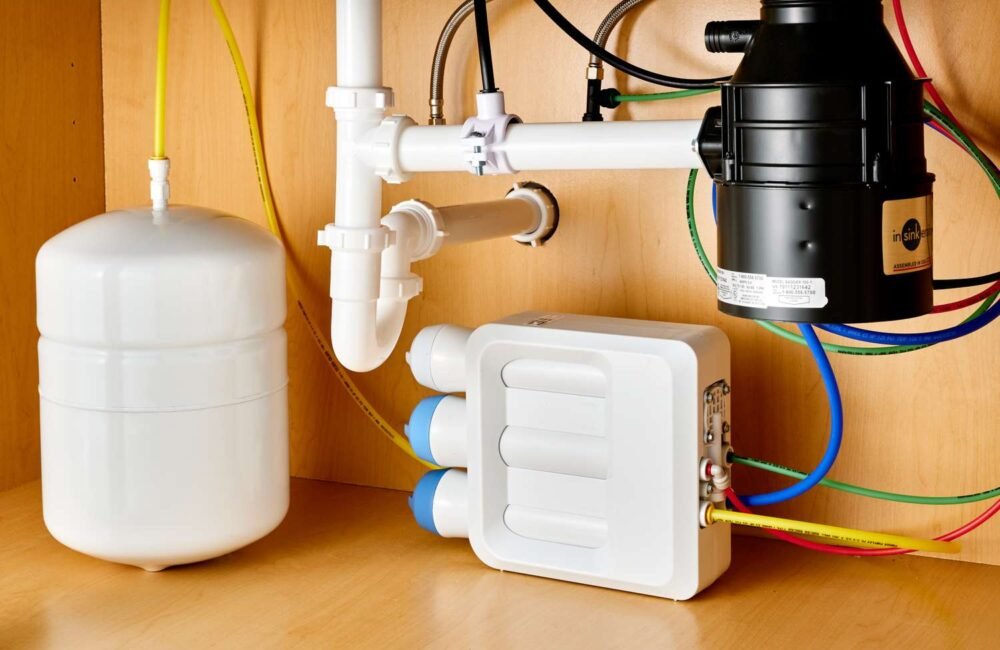
Reverse osmosis is a filtration process that pushes water through a specialised semipermeable membrane. The membrane reduces many dissolved substances, although the exact results depend on the system’s design, condition, and operating conditions. Residential units often combine the membrane with additional filters that improve taste or protect the system.
Reverse osmosis may be useful when testing identifies dissolved contaminants that the chosen unit is certified to reduce. However, it’s not automatically necessary for every household. If the only concern is chlorine taste, for instance, a properly selected activated-carbon filter may be sufficient and could cost less to maintain.
There are practical trade-offs to consider. Many reverse osmosis systems discharge some water during the treatment process, and filters or membranes need periodic replacement. Some units also reduce certain naturally occurring minerals. Homeowners should check independent certifications, the manufacturer’s performance data, replacement costs, and the system’s compatibility with their water pressure.
Installation matters as well. A poorly fitted connection can leak beneath a kitchen sink, while neglected filters may reduce performance. Before choosing a system, make sure you understand its maintenance requirements and the specific water-quality claims it can support.
Dealing With Hard Water Throughout the Home
Hard water contains elevated levels of dissolved calcium and magnesium. It isn’t generally considered a health concern in itself, but it can be inconvenient. Soap scum builds up more readily, glassware may develop spots, and mineral deposits can collect inside faucets, showerheads, and water-heating equipment.
A properly selected water softening & filtration setup can address more than one water-quality concern, provided each component is designed for the substance it needs to reduce. A conventional water softener typically exchanges calcium and magnesium ions for sodium or potassium ions. This helps reduce hardness and its associated scale, but it doesn’t remove every contaminant or serve as a complete drinking-water treatment system.
Filtration performs a different job. Depending on the filter media, it may reduce sediment, chlorine taste, certain metals, or other specified substances. Combining a softener with a filter can make sense when testing shows both hardness and a separate filtration concern. The system should be designed around those results, not simply assembled from several products.
Homeowners should also understand the ongoing costs. Water softeners may require salt or another regeneration material, while filters need replacement according to the manufacturer’s instructions. Water use, household size, hardness levels, and equipment capacity all affect maintenance frequency.
If you’re unsure whether a softener is necessary, start with a hardness test. That simple step can help prevent unnecessary purchases and guide you toward a solution that fits your household.
Protecting Plumbing Fixtures and Water-Heating Equipment
Water quality and plumbing performance often affect one another. Mineral scale can collect on aerators, reduce water flow, and accumulate in equipment that heats water. Sediment or corrosion may create different problems, so it’s important to identify the cause before deciding on a repair.
Check faucets and showerheads occasionally for deposits or uneven spray. Cleaning removable parts according to the manufacturer’s instructions may restore normal flow. If pressure remains low throughout the house, however, the problem could involve a valve, supply line, pressure regulator, or another part of the plumbing system.
Water heaters deserve particular attention. Depending on the model and local water conditions, sediment or scale may affect performance and maintenance needs. Follow the equipment manufacturer’s guidance and have a qualified technician inspect unusual noises, inconsistent temperatures, visible leaks, or repeated shutdowns.
Avoid treating every plumbing issue as a water-quality problem. A dripping faucet may need a replacement cartridge, while a blocked drain could be caused by grease or debris. The best approach is to investigate each symptom and use the appropriate repair or treatment method.
Why Professional Plumbing Help Can Be Valuable
Water treatment systems often connect directly to a home’s plumbing, which means installation quality is just as important as product selection. Incorrect fittings, inadequate support, or poorly routed drain lines can create leaks and reduce system reliability. Certain installations may also require changes to water pressure, electrical connections, or drainage arrangements.
Experienced professional plumbing services can help assess existing pipework, confirm suitable connection points, and install equipment according to manufacturer requirements and applicable local codes. A qualified provider can also explain how to operate the system, when to replace consumable parts, and which warning signs deserve attention.
When comparing service providers, ask for an explanation of the recommended work and a written estimate. It’s reasonable to ask whether the equipment has relevant independent certifications, what the warranty covers, and whether follow-up maintenance is available. A trustworthy professional should explain the limitations of a treatment system instead of promising that one product will solve every water problem.
For homes using private wells, treatment decisions may also need to account for laboratory test results and local public-health guidance. Some issues require specialised disinfection or treatment rather than an ordinary household filter.
Simple Habits That Support Better Water Quality
Good water management doesn’t end after installation. Replace cartridges on schedule, inspect visible connections for moisture, and keep track of any changes in taste, odour, or water flow. If a system includes a filter-life indicator, use it as a helpful reminder while following the manufacturer’s maintenance instructions.
Avoid assuming that clearer water is always safer water. Some contaminants cannot be seen, smelled, or tasted, which is why appropriate testing remains important. If test results identify a concern, choose a treatment system specifically verified to address it and retest when recommended.
Making a Thoughtful Choice for Your Home
Better water doesn’t necessarily require the most complicated equipment. It begins with understanding your water supply, identifying the problems that matter, and choosing a treatment or repair that addresses them directly.
A suitable filter may improve drinking-water taste, a softener can reduce hardness-related inconvenience, and routine plumbing care can help protect fixtures and equipment. With reliable testing, careful installation, and sensible maintenance, homeowners can make improvements that support comfort, efficiency, and confidence in the water they use every day.
