Key Takeaways
- An older home is not automatically a designated historic property, so buyers should verify its local, state, and federal status.
- Historic homes often need inspection attention beyond a standard general review.
- Water management, masonry, roofs, electrical systems, and prior renovations can shape the true cost of ownership.
- Local preservation rules may affect exterior changes, additions, windows, roofs, and other visible improvements.
- A well-maintained older home can be a rewarding purchase when its condition, limitations, and future costs are understood.
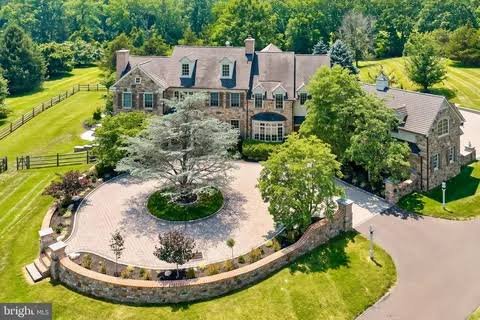
New Hope is known for its river-town setting, distinctive architecture, mature landscapes, and homes with a sense of history. Buyers may be drawn to original millwork, stone walls, wood floors, fireplaces, porches, and the character that comes with a home built long before modern construction standards were in place. Those features can be meaningful, but they also call for careful research before an offer is written.
For buyers comparing historic homes, river-area properties, and distinctive residences across Bucks County, New Hope PA real estate experts B&b Luxury Properties at the Black Group offer local guidance rooted in the area’s varied housing stock. B&B Luxury Properties is a New Hope-based real estate team serving Bucks County, the Philadelphia region, and nearby New Jersey communities, with experience representing architectural gems, riverfront retreats, estates, and other exceptional properties where condition and setting can matter as much as style.
Why Buyers Love Historic Homes
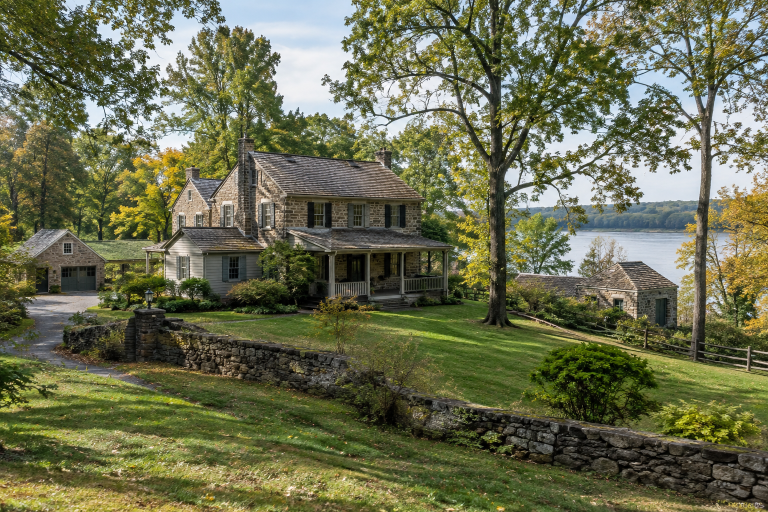
Older homes can provide details that are difficult to reproduce, from hand-finished trim and deep window wells to old stone foundations and established gardens. In New Hope and the surrounding countryside, a home’s setting may also be part of its appeal, especially where private drives, wooded lots, outbuildings, or proximity to the Delaware River shape daily life. The goal is not to avoid character, but to separate manageable maintenance from expensive unknowns.
What Makes a Home Historic?
“Historic” can mean several things. A property may be old, individually designated by a municipality, located in a local historic district, protected by an easement, or listed in the National Register of Historic Places. National Register eligibility generally considers age, significance, and integrity, but federal listing alone does not automatically control what a private owner may do. Local zoning and preservation regulations are often more important for planned work.
- Is the house individually designated or inside a historic district?
- Do barns, walls, fences, garages, or other site features have restrictions?
- Are there preservation easements, deed restrictions, or approvals tied to the property?
- Were previous additions, renovations, and exterior changes properly permitted?
What to Check During the First Visit
Use the showing to identify questions, not to reach conclusions. Look past fresh paint and staging for sloping floors, sticking doors, cracked plaster, deteriorated mortar, soft porch wood, damp basement walls, water stains, and limited electrical outlets. Notice how water moves around the property, particularly on sloped lots or near stone foundations. A second visit after rain, or at a different time of day, can reveal drainage, moisture, traffic, and natural-light conditions that a brief showing may miss.
When Specialized Inspections Make Sense
A general inspection is essential, but it may not answer every question that an older property raises. Cracked masonry, for example, may require evaluation by a qualified mason or structural engineer to determine whether it is due to cosmetic causes, historic settlement, or ongoing movement related to water or support issues.
Possible Follow-Up Reviews
- Structural, foundation, masonry, roofing, or chimney evaluations.
- Sewer camera, septic, well, pest, radon, and drainage inspections.
- Electrical and plumbing reviews for older systems or incomplete upgrades.
- Lead paint, asbestos, mold, or indoor-air assessments when conditions warrant.
Lead-based paint deserves particular attention in older housing. The EPA notes that older homes are more likely to contain lead-based paint and recommends using trained professionals to determine whether lead-based paint or other lead hazards are present. Buyers planning repairs should understand the precautions for homes that may contain lead-based paint before sanding, demolition, window replacement, or other disturbance.
Major Systems That Need Attention
Ask for installation dates, service records, permits, warranties, and repair invoices. Focus first on systems that protect the home from water or create safety concerns.
- Structure and foundation: Review settlement, water entry, support posts, crawl spaces, retaining walls, and signs of insect damage.
- Roof, chimney, and exterior: Check roof age, flashing, gutters, downspouts, chimney mortar, liners, ventilation, siding, trim, and window condition.
- Electrical, plumbing, heating, and cooling: Confirm panel capacity, wiring condition, grounding, pipe materials, water pressure, fuel source, equipment age, and service history.
How Local Rules Affect Renovations
Research renovation limits before treating a future project as part of the home’s value. Depending on the address, exterior work such as replacement windows, additions, roofing materials, fences, solar equipment, paint colors, or demolition may require review. Contact the appropriate municipality or preservation office, request written requirements, and ask whether prior projects received approvals. Build review time, design costs, and permit expenses into any renovation plan.
Building a Realistic Repair Budget
Separate immediate needs from future improvements. A roof leak, unsafe electrical condition, failing heating equipment, or drainage problem belongs in the near-term budget. A kitchen redesign or cosmetic restoration can be planned in different ways. Include a contingency reserve because concealed conditions behind walls, ceilings, and floors, as well as in older finishes, may not be visible during inspections.
- Health, safety, and water-management repairs.
- Foundation, masonry, roof, chimney, and exterior maintenance.
- Electrical, plumbing, heating, and cooling upgrades.
- Specialized labor, compatible materials, engineering, permits, and review fees.
- Ongoing costs for outbuildings, wells, septic systems, long drives, pools, or extensive grounds.
Financing, Insurance, and Offer Preparation
Talk with lenders and insurance professionals early. Roof condition, electrical systems, prior claims, flood exposure, vacancy, outbuildings, and overall property condition may affect loan requirements or available coverage. Request disclosures, repair records, utility information, permits, surveys, prior inspection reports, warranties, and historic-status documents. Keep appropriate inspection and financing protections in place while specialists complete their reviews.
Final Buyer Checklist
- Verify the home’s history, designation, district status, and renovation restrictions.
- Visit more than once when possible.
- Inspect drainage, foundation, roof, masonry, chimney, and major systems.
- Order specialized reviews when evidence or age calls for them.
- Estimate immediate repairs, annual maintenance, and a contingency reserve.
- Confirm insurance and financing before finalizing the offer.
Buying a historic home in New Hope can be deeply rewarding when the decision is based on more than first impressions. Careful research, targeted inspections, realistic budgeting, and an honest view of future maintenance can help buyers protect both the home’s character and their long-term investment.
