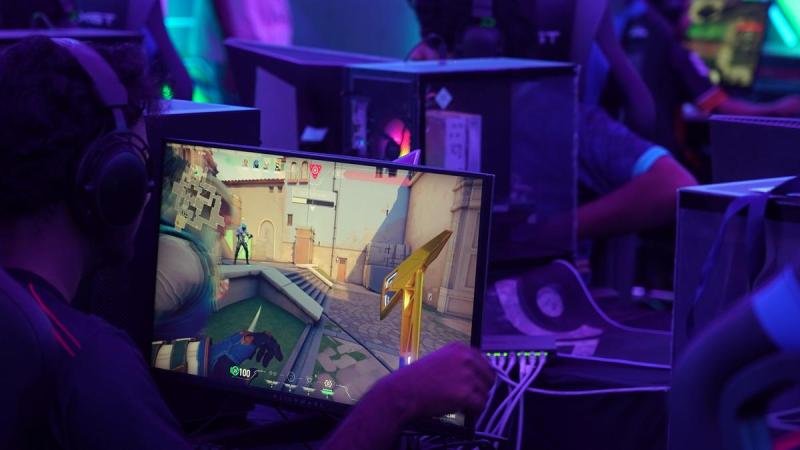
Not too long ago, telling someone you wanted to build a career in gaming would probably earn you a puzzled look… or a lecture. “Focus on something stable,” they’d say. “Gaming is just timepass.”
But things have shifted. Quietly at first, then all at once.
Now, esports in India isn’t just a niche interest — it’s a growing ecosystem. Tournaments, sponsorships, streaming platforms, professional teams… it’s all starting to look a lot like a real industry. Still evolving, yes. But real.
From Internet Cafés to Stadium Dreams
If you rewind a decade or so, gaming in India mostly meant local multiplayer setups or casual mobile games. Competitive gaming existed, but it wasn’t exactly mainstream.
Then smartphones got better. Internet became cheaper. Platforms like YouTube and Twitch gave gamers a stage.
Suddenly, people weren’t just playing — they were watching, learning, competing. And somewhere along that journey, esports stopped being a side activity and started looking like a legitimate path.
What Does an Esports Career Actually Look Like?
Here’s the thing — when people hear “career in esports,” they usually picture professional players. And yes, that’s a big part of it. But it’s far from the whole story.
The ecosystem is much broader.
There are:
- Professional gamers competing in tournaments
- Streamers building communities and earning through content
- Coaches and analysts helping teams improve
- Event organizers, commentators, and production crews
- Even marketers and brand managers working behind the scenes
In other words, esports isn’t just about playing games well. It’s about building a role within a growing industry.
The Appeal Is Obvious
For many young people, the idea of turning passion into profession is incredibly appealing.
You’re doing something you enjoy. You’re part of a fast-paced, creative environment. And in some cases, the rewards can be significant — prize money, sponsorship deals, brand collaborations.
But it’s not just about money.
There’s a sense of identity that comes with it. Being known for your skill, your strategy, your gameplay… it’s a different kind of recognition.
And naturally, conversations around Esports as a Career: India me opportunities aur challenges are becoming more common — not just among gamers, but parents, educators, and even investors.
Opportunities Are Growing — But Unevenly
There’s no denying the growth.
Major tournaments are attracting attention. Brands are investing. Teams are forming and expanding. Some players are already making a name for themselves, both nationally and internationally.
But here’s the catch — the growth isn’t evenly distributed.
Urban areas tend to have better access to high-speed internet, gaming equipment, and competitive exposure. For players in smaller towns, breaking into the scene can still be difficult.
Infrastructure, while improving, hasn’t fully caught up yet.
The Reality Check Most People Don’t Talk About
It’s easy to get caught up in success stories. But behind every well-known gamer, there are hundreds trying to make it — often without a clear roadmap.
Esports is competitive. Extremely so.
Not everyone who plays well becomes a professional. And even for those who do, careers can be short-lived. Performance dips, new players emerge, and the industry moves quickly.
There’s also the question of stability. Unlike traditional careers, esports doesn’t always offer long-term security. Contracts, sponsorships, and earnings can fluctuate.
It’s exciting, yes. But it’s also uncertain.
Skill, Discipline, and… Patience
One misconception about esports is that it’s all about talent.
Talent helps, sure. But discipline matters just as much.
Professional players train for hours — practicing strategies, improving reflexes, studying opponents. It’s not as casual as it might seem from the outside.
And then there’s patience.
Building a career in esports doesn’t happen overnight. It takes time to grow, to gain recognition, to establish yourself. And during that time, balancing expectations — both personal and societal — can be challenging.
Support Systems Are Slowly Evolving
One positive shift is the gradual acceptance of esports as a legitimate pursuit.
More parents are open to the idea. Educational institutions are starting to explore gaming-related programs. Brands are recognizing the potential of gaming audiences.
Even government bodies have begun acknowledging esports in various capacities.
It’s not perfect yet, but it’s progress.
Finding Balance in a Fast-Moving Industry
Perhaps the most important thing for anyone considering esports is balance.
Pursue it seriously, yes. But also have a backup plan. Develop complementary skills — content creation, communication, maybe even technical knowledge.
Because the industry is still evolving, and adaptability can make a big difference.
Final Thoughts
Esports in India sits at an interesting crossroads.
It’s no longer just a hobby, but it’s not fully structured as a traditional career path either. It’s something in between — full of potential, but still finding its shape.
For those willing to take the risk, put in the effort, and navigate the uncertainty, it can be incredibly rewarding.
But it’s important to go in with open eyes.
Because while the dream is real, so is the work behind it.
