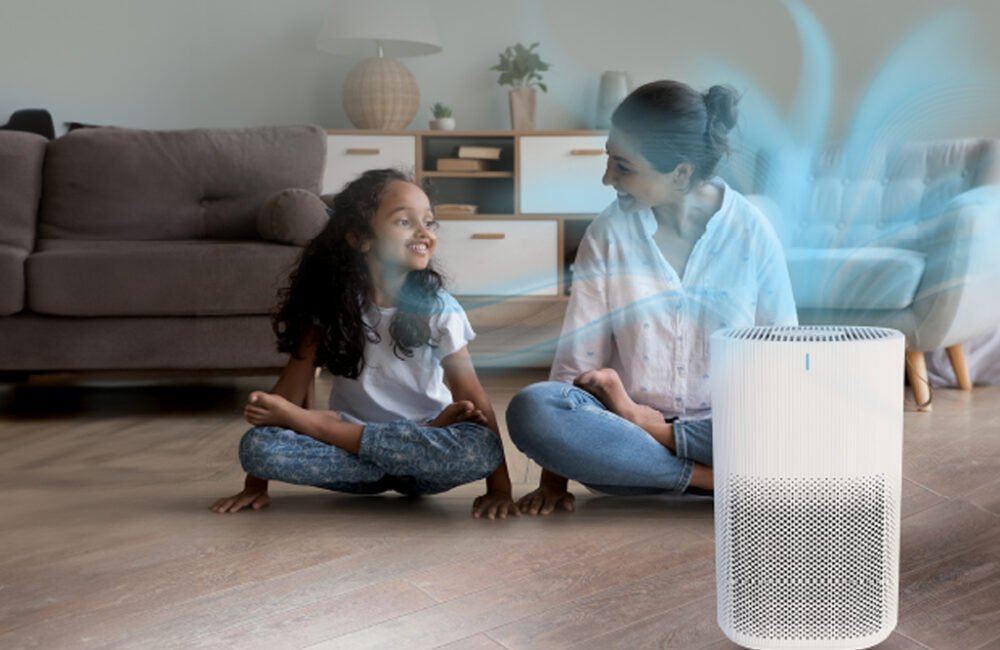
Most of us spend a surprising amount of time indoors without giving the air around us much thought. We notice the temperature. We notice if a room feels stuffy. We definitely notice when something smells strange. But the overall condition of the air inside a home often stays in the background, quietly ignored.
That is, until it doesn’t.
Maybe dust seems to collect faster than usual. Perhaps certain rooms feel stale, or opening the windows isn’t always practical because of weather, pollen, traffic, or outdoor pollution. Sometimes the issue is obvious. Other times, it’s simply the feeling that the air inside doesn’t seem particularly fresh.
Creating a more comfortable indoor environment isn’t about chasing perfection or turning a home into a laboratory. It usually begins with understanding how air moves through the house, what may be affecting it, and which practical steps can make a meaningful difference.
Your Home Is Constantly Circulating Air
The air inside a house is never really standing still. Heating and cooling systems move it from one area to another, doors open and close, windows allow outdoor air to enter, and everyday activities add particles and moisture to the environment.
Cooking, cleaning, pets, candles, building materials, and ordinary household dust can all influence indoor air quality. The impact varies from one home to another, which is why there isn’t a single solution that works perfectly for everyone.
A house with several pets may have different concerns than a small apartment occupied by one person. A newly renovated home may have different ventilation needs from an older property with drafty windows.
The first step is simply paying attention.
Does one room feel stuffier than the others? Does dust return quickly after cleaning? Are there unusual odors that seem to linger? These observations may not provide an exact answer, but they can help identify where to start looking.
Fresh Air Isn’t Always as Simple as Opening a Window
Opening a window can sometimes improve ventilation, and on a pleasant day, there’s nothing quite like a natural breeze moving through the house.
But it isn’t always an ideal solution.
Outdoor conditions may include high pollen levels, smoke, dust, humidity, traffic pollution, or extreme temperatures. In some places, keeping windows open for long periods simply isn’t practical.
That’s where a balanced approach becomes useful.
Good ventilation helps replace stale indoor air with fresh outdoor air when conditions allow. Exhaust fans in kitchens and bathrooms can also help remove moisture, odors, and certain airborne pollutants from specific areas.
The goal isn’t to keep every window permanently closed or permanently open. Homes work best when airflow is managed according to the environment, the season, and the needs of the people living inside.
Sometimes the simplest answer is still helpful. It just isn’t always the whole answer.
Why Your HVAC System Plays a Bigger Role Than You Realize
Heating and cooling equipment does more than control temperature. As air moves through the system, the condition of filters, ducts, vents, and other components can influence the overall indoor environment.
A dirty or clogged filter may restrict airflow and make the system work harder. Depending on the type of filter and system, regular replacement can also help capture certain particles before they continue circulating.
Vents and registers should remain reasonably clear. It sounds obvious, but furniture, boxes, rugs, and other household items sometimes end up blocking areas designed for airflow.
Ductwork matters too. Problems within ducts may affect how air moves through different rooms, especially if some areas consistently feel stuffy while others seem perfectly comfortable.
Basic maintenance isn’t exciting. Nobody wakes up excited to check an air filter. Still, these small tasks can make a noticeable difference over time.
Understanding the Role of Air Purification
Many homeowners explore air purification when they want to reduce certain airborne particles or improve the freshness of indoor spaces.
Different systems work in different ways, so it’s worth understanding what a particular product or service is actually designed to do. Some technologies focus on capturing particles, while others may address specific concerns through different processes.
The right option depends on the home and the reason someone is considering it.
For example, a household concerned mainly about dust may have different needs from one trying to manage pet-related particles or outdoor pollution entering the home. Room size, system placement, maintenance requirements, and the type of equipment already installed can also influence the decision.
It’s easy to get caught up in impressive marketing claims. A more sensible approach is to focus on the actual problem you are trying to address and choose a solution that fits that situation.
Bigger isn’t always better, and more expensive doesn’t automatically mean more useful.
Filters Do a Quiet but Important Job
When people think about improving the air inside a home, they often imagine a large piece of equipment with flashing lights and complicated controls. Sometimes, though, one of the most important components is much less exciting.
Proper air filtration can help capture particles as air moves through an appropriate system. However, filters need attention to continue doing their job effectively.
A filter that has become heavily loaded with dust and debris may restrict airflow. On the other hand, choosing a filter without considering whether it is suitable for the existing system can also create problems.
Following equipment recommendations and replacing or cleaning filters as appropriate is a practical place to start. Homes with pets, higher dust levels, or frequent HVAC use may require more regular attention than others.
It’s a small habit, but small habits tend to matter most when they’re repeated consistently.
Moisture Can Change the Feel of a Home
Air quality isn’t only about dust and particles. Moisture plays an important role in how a space feels.
A room with excessive humidity can feel uncomfortable even when the temperature seems reasonable. Bathrooms, kitchens, basements, and poorly ventilated areas may be especially prone to moisture problems.
Condensation, persistent dampness, peeling paint, or musty odors are signs worth investigating rather than simply covering up with air fresheners.
Ventilation can help in many situations, but recurring moisture problems may also involve leaks, drainage issues, or other conditions that need to be addressed.
A home should smell like a home—not like a desperate attempt to hide a problem with twelve scented candles.
Don’t Forget the Everyday Sources
Improving the air inside a home doesn’t always require major equipment or expensive upgrades.
Regular cleaning can reduce the dust and debris that naturally build up over time. Vacuuming and wiping surfaces may help, especially in busy households. Bedding, rugs, curtains, and upholstered furniture can also collect particles.
Kitchen ventilation is worth paying attention to while cooking, particularly when smoke or strong odors are involved. Bathroom exhaust fans can help manage moisture after showers.
Even simple habits such as keeping outdoor shoes from tracking unnecessary dirt through the house can make a small difference.
None of these actions will create a perfectly controlled indoor environment, and that isn’t the point. The goal is to reduce avoidable issues through sensible everyday choices.
When It Makes Sense to Ask for Professional Advice
Sometimes a problem goes beyond what a clean filter or open window can solve.
Persistent odors, major airflow differences, recurring moisture, or concerns about the condition of HVAC equipment may deserve a closer inspection. A qualified professional can assess the system and help identify potential issues rather than relying on guesswork.
Before investing in a major upgrade, it can be useful to understand what is actually happening inside the home. Solving the wrong problem can be an expensive mistake.
Ask questions. Find out what the recommended solution is designed to address and what maintenance it will require. A good explanation should make sense without requiring a dictionary full of technical terms.
Better Indoor Air Starts With Paying Attention
A more comfortable home doesn’t necessarily require complicated technology or a complete renovation.
Sometimes improvement begins with a new filter, better ventilation habits, regular cleaning, or addressing a moisture problem that has been ignored for too long. In other situations, a more specialized solution may be appropriate.
The important thing is to avoid treating every home exactly the same.
Pay attention to how your living spaces feel. Notice recurring odors, excessive dust, uneven airflow, and signs of moisture. Take care of the basic maintenance tasks, and investigate problems that continue returning.
The air inside your home is something you experience every single day, even when you don’t consciously think about it. And perhaps that’s the real goal: creating an indoor space that feels fresh, comfortable, and easy to live in—so the air quietly does its job and you can get on with everything else.
