Most of us don’t spend much time thinking about the water running through our homes. We turn on the tap, fill a glass, take a shower, or start the dishwasher without giving it a second thought. It’s one of those everyday comforts we simply expect to work. But behind that convenience is a system that deserves a little attention if you want it to keep performing at its best.
Water quality isn’t the same everywhere. In some neighborhoods, hard water leaves chalky residue on faucets. In others, homeowners deal with strange odors, discoloration, or mineral buildup that slowly affects plumbing and appliances. These issues rarely appear overnight. They creep in little by little until suddenly they’re impossible to ignore.
Small Water Problems Rarely Stay Small
A tiny issue today can become an expensive repair a year from now. Hard water deposits slowly collect inside pipes, reducing water flow. Filters become clogged. Water heaters lose efficiency because minerals settle inside the tank. Even something as simple as cloudy drinking water can be a sign that your system isn’t performing as well as it should.
Many homeowners assume replacing equipment is the only answer, but that’s often not true. In reality, a properly cared-for system can continue working effectively for years longer than one that’s ignored.
That’s why scheduling a professional maintenance service every so often isn’t just about preventing breakdowns. It’s about protecting the investment you’ve already made while ensuring your family continues enjoying clean, dependable water every day.
Every Home Has Different Water Challenges
One thing that surprises many people is how different water can be from one neighborhood to another. Two homes only a few miles apart may experience completely different water conditions.
Some families struggle with excessive hardness that leaves white spots on dishes. Others notice sulfur odors, iron staining, or sediment from private wells. Municipal water may contain chlorine levels that affect taste, while well water often presents entirely different challenges.
Because of these differences, there’s rarely a universal solution. A professional evaluation helps identify what’s actually happening before recommending equipment or adjustments. Guesswork usually leads to unnecessary expenses, while proper testing leads to smarter decisions.
Choosing the Right Equipment Makes a Difference
Modern water treatment systems have come a long way over the past decade. Today’s technology is more efficient, easier to monitor, and better suited to different household needs than ever before.
Depending on local water conditions, a homeowner may benefit from a water softener, reverse osmosis system, whole-house filtration, UV purification, iron removal equipment, or a combination of solutions working together.
The important thing isn’t simply buying the most expensive option. It’s choosing equipment designed specifically for your water source and household usage. A customized approach almost always produces better long-term results than a one-size-fits-all installation.
Water Quality Impacts More Than Drinking Water
People often focus on drinking water, but water quality affects nearly everything inside a home.
Soap doesn’t lather properly with hard water. Clothes may feel rough after washing. Glass shower doors collect stubborn mineral spots. Coffee makers and kettles develop scale buildup faster than expected. Even skin and hair can feel dry after bathing.
These small inconveniences add up over time. Improving water quality often creates noticeable changes throughout the entire house—not just at the kitchen sink.
Many homeowners don’t realize how much they were adapting to poor water until they experience cleaner, properly treated water every day.
Prevention Is Almost Always Less Expensive
Home maintenance follows a simple rule that’s easy to overlook: fixing small problems costs far less than replacing major equipment.
Ignoring filters, softeners, or treatment equipment allows wear to accumulate gradually. Components work harder than they should. Efficiency declines. Eventually, repairs become unavoidable.
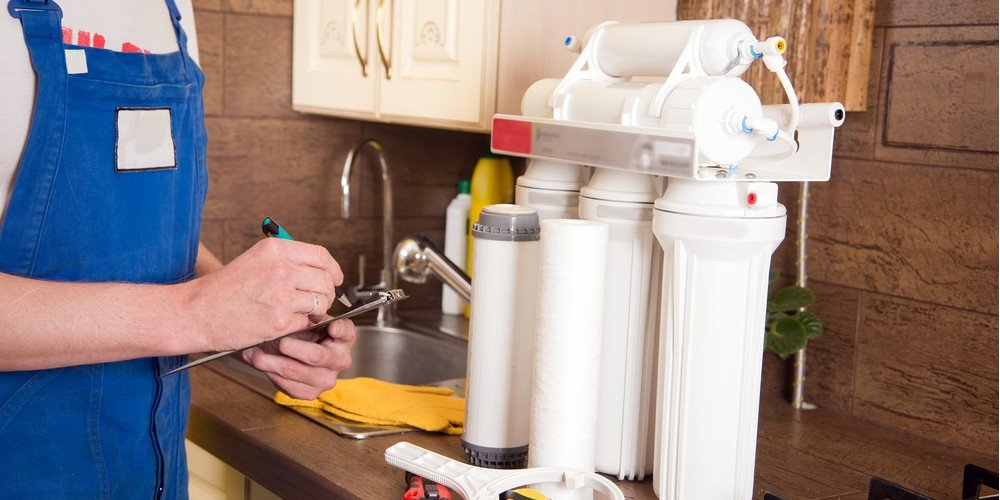
Scheduling regular maintenance helps technicians identify worn parts, clean internal components, replace filters when necessary, and confirm everything is operating correctly before larger issues develop.
It’s similar to servicing a vehicle. Most people wouldn’t drive thousands of miles without changing the oil. Water systems deserve the same practical mindset.
Protecting Your Plumbing and Appliances
Water doesn’t only flow through faucets. It moves through washing machines, dishwashers, refrigerators, water heaters, coffee machines, and countless plumbing fixtures every single day.
When untreated water carries excess minerals or contaminants, every appliance pays the price.
Mineral scale forces water heaters to consume more energy. Washing machines become less efficient. Dishwasher performance declines. Plumbing fixtures lose their appearance as deposits continue accumulating.
By improving overall water quality, homeowners often reduce maintenance costs across multiple household appliances while extending their lifespan.
Professional Advice Brings Long-Term Value
The internet offers endless advice about water filtration, softeners, and treatment options. Unfortunately, much of it is based on general assumptions rather than actual water conditions.
A qualified technician begins with testing instead of guessing.
That simple difference matters because proper recommendations are based on measurable water characteristics rather than marketing claims. Homeowners gain confidence knowing their solution addresses the real issue instead of masking symptoms.
Good professionals also explain how the system works, what routine care is required, and what signs deserve attention in the future. That kind of education helps homeowners make informed decisions instead of reacting only when something breaks.
A Better Water Experience Starts with Consistency
Clean, reliable water isn’t really about fancy equipment. It’s about consistency.
When everything works properly, water tastes better, appliances perform efficiently, plumbing stays healthier, and everyday tasks become just a little easier. Those improvements may seem small individually, but together they create a noticeably better home environment.
The truth is, most water problems don’t demand dramatic solutions. They simply require attention before they become larger issues. Investing a little time in understanding your home’s water quality—and caring for the equipment that protects it—can save money, reduce frustration, and provide peace of mind for years to come.
In the end, taking care of your home’s water system isn’t just another household chore. It’s one of those quiet decisions that continues paying off every single day, even if you hardly notice it. And honestly, that’s exactly how good water should be—clean, dependable, and working quietly in the background while life carries on.
