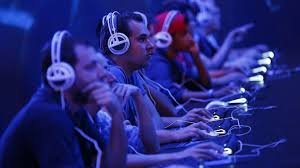
There was a time when gaming meant one thing — escape. You played to relax, to compete, maybe to win bragging rights among friends. Money? That was never part of the equation. At best, you might sell a rare account or a skin, quietly, somewhere on the internet.
But things have changed. Not overnight, not completely — but enough to make you pause and rethink what gaming could become. Today, the idea of earning while playing doesn’t sound as strange as it once did. In fact, for some people, it’s already a reality.
The Rise of Ownership in Games
One of the biggest shifts in gaming has been ownership.
Earlier, everything you earned in a game — skins, weapons, characters — stayed locked inside it. You didn’t really “own” them. If the game shut down or your account got banned, it was all gone.
NFT-based games introduced a different concept. Digital assets tied to blockchain, assets you can technically own, trade, or sell. It’s a fascinating idea, even if still evolving.
This is where conversations around NFT Gaming aur Play-to-Earn model ka future begin to take shape. Because once players feel ownership, the relationship with games changes. It becomes less about spending and more about participating in an ecosystem.
Play-to-Earn: A Promise That Caught Attention
The idea is simple enough — play a game, earn rewards that have real-world value.
In theory, it sounds almost too good. And maybe, in some cases, it has been. Early play-to-earn (P2E) games attracted huge attention, especially in regions where even small earnings could make a difference.
People weren’t just playing for fun anymore; they were playing with purpose.
But reality, as always, is a bit more complicated.
The Challenges No One Talks About Enough
For every success story, there have been struggles.
Many early P2E games relied heavily on new users joining the ecosystem. When growth slowed, rewards dropped. Some players who entered late found it difficult to recover their initial investment.
There’s also the question of sustainability. Can a game truly support long-term earnings for players without becoming economically unstable?
These aren’t small concerns. They’re central to whether this model can survive beyond hype.
Gaming First, Earning Second?
One thing developers are starting to realize is this — if a game isn’t fun, it won’t last.
Some early NFT games focused too much on earning mechanics and not enough on gameplay. And players noticed. A game that feels like work, even if it pays a little, loses its charm quickly.
The future likely belongs to games that balance both — engaging gameplay and meaningful rewards. Not easy to achieve, but necessary.
The Role of Regulation and Trust
Another layer to this evolving space is regulation.
Cryptocurrency, NFTs, digital assets — they’re still navigating legal frameworks in many countries. This uncertainty can make players hesitant.
Trust becomes a major factor. Players need to believe that their time and money are safe, that the system won’t collapse overnight.
Until clearer guidelines emerge, this space will continue to feel a bit experimental.
A Shift in How We See Gaming
Despite the challenges, something fundamental has shifted.
Gaming is no longer just entertainment. It’s slowly becoming a space where value — both digital and financial — can be created and exchanged.
Even traditional gaming companies are exploring ways to integrate blockchain elements, though cautiously. They’re watching, learning, testing.
And players? They’re becoming more aware. More selective.
Is This the Future or Just a Phase?
That’s the big question, isn’t it?
Some people believe NFT gaming and play-to-earn models will redefine the industry. Others think it’s a temporary trend that will fade once the novelty wears off.
The truth probably lies somewhere in between.
Certain ideas — like digital ownership and decentralized assets — feel too strong to disappear completely. But the current models may need to evolve significantly to become sustainable.
Finding a Realistic Perspective
If you’re someone curious about this space, it’s worth approaching it with both interest and caution.
Explore games, understand how they work, but avoid jumping in purely for earnings. Treat it as gaming first. If it pays off, that’s a bonus.
Because at its core, gaming should still feel like… gaming.
Final Thoughts
The idea of earning while playing is undeniably appealing. It taps into something deeper — the desire to make our time feel valuable, even in leisure.
But not every promise translates smoothly into reality.
As NFT gaming and play-to-earn models continue to evolve, one thing is clear: the industry is experimenting. Trying new things, failing, adjusting, trying again.
And maybe that’s okay.
Because every big shift starts this way — messy, uncertain, but full of possibility.
