Most household equipment gives a few hints before it starts causing trouble. A washing machine may make an unusual noise, a refrigerator might struggle to stay cold, or a water softener may slowly stop delivering the results you expect. The difference is that water treatment problems can be easy to overlook. You might simply assume the soap has changed or that those white marks on the bathroom tap are part of everyday life.
In reality, a little attention can go a long way toward keeping your water treatment system in good condition. Regular checks, sensible maintenance, and occasional adjustments help you understand how the equipment is performing and when it might need professional attention.
You don’t necessarily need to become an expert in water treatment. Knowing what to look for and when to call someone who is can make the whole process much less stressful.
Why Regular Inspections Matter
A water softener works quietly in the background, reducing hardness minerals such as calcium and magnesium through an ion-exchange process. When the equipment is functioning correctly, you may notice fewer mineral deposits, easier cleaning, and better soap lather. Since these improvements become part of everyday life, it’s easy to forget that the system still needs attention.
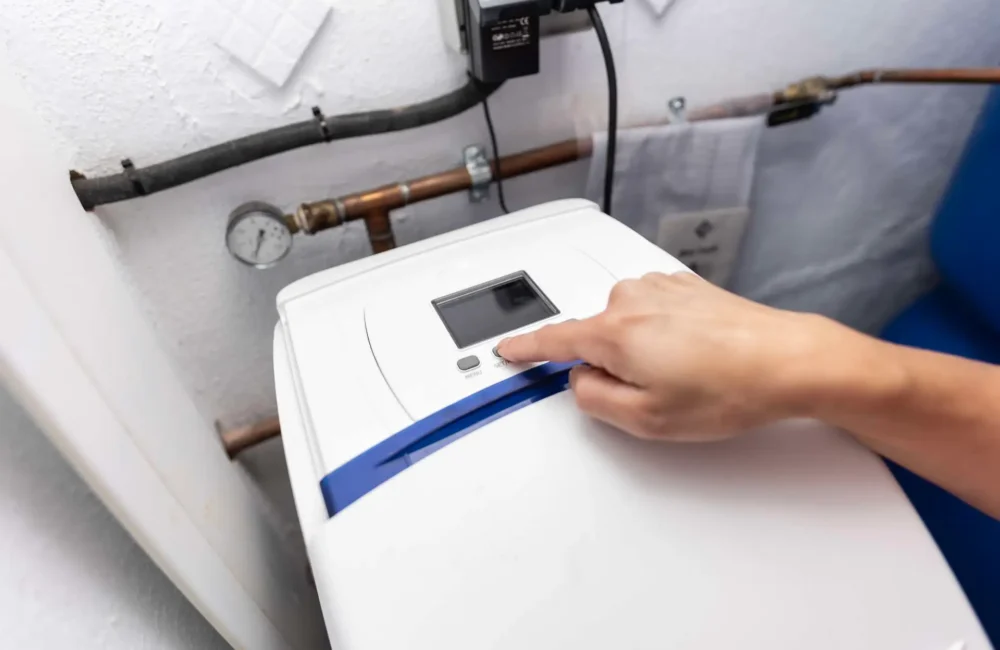
Routine water softener inspections help identify developing issues before they turn into frustrating interruptions. During a check, a technician may examine the brine tank, inspect connections for leaks, review system settings, and look for signs of salt bridging or residue buildup.
The exact inspection process depends on the model and its operating conditions. Some systems require relatively little routine attention, while others may need additional checks based on water quality or usage.
Homeowners can also perform simple visual checks between professional visits. Look for damp areas around the equipment, confirm that the salt supply hasn’t run out, and pay attention to any changes in water quality. These observations don’t replace professional servicing, but they can provide useful clues.
For example, if white scale begins returning on showerheads, the softener might not be regenerating properly. It could also have another problem, so it’s better to investigate rather than immediately assume a component has failed.
Understanding How Well Your System Performs
A system can appear perfectly fine from the outside while quietly becoming less effective. That’s why performance should be judged by more than whether the equipment turns on and runs through its normal cycle.
Professional system performance evaluations can help determine whether a water softener is treating water as intended. Depending on the situation, an evaluation may involve checking hardness levels, reviewing regeneration settings, examining salt consumption, and assessing whether the unit has enough capacity for the property’s water demand.
Consider a household that has recently welcomed another family member. Daily water use may increase, meaning the softener has to handle a greater workload. A system that once suited the household comfortably might now need its settings reviewed or its capacity reassessed.
Water conditions can change, too. If a private well develops different mineral characteristics, the treatment requirements may no longer match the original setup. Testing helps establish what’s happening instead of relying entirely on assumptions.
It’s worth remembering that a softener isn’t designed to solve every water quality problem. It primarily addresses hardness, and some models may also reduce certain other minerals under specific conditions. It shouldn’t be treated as a universal drinking water filter.
If taste, odor, or possible contamination becomes a concern, appropriate water testing can help identify whether another treatment method is needed. A clear understanding of the system’s purpose makes it easier to judge its performance fairly.
Small Maintenance Habits That Make a Difference
Not every maintenance task requires a service appointment. Homeowners can support their equipment by following the manufacturer’s instructions and paying attention to a few basic details.
Start with the salt tank. Check it regularly and replenish the supply when needed, using the salt type recommended for your model. Avoid assuming that a tank is functioning properly just because it looks full. A hardened salt bridge can form above an empty space, preventing the salt from mixing with water as intended.
Keep the area around the softener reasonably clean and accessible. This makes it easier to spot leaks, inspect connections, and reach the controls when necessary. If you notice water pooling around the unit, don’t ignore it. Even a small leak deserves investigation before it damages nearby flooring or equipment.
It’s also helpful to keep a simple maintenance record. Write down service dates, repairs, unusual changes, and any adjustments made by a technician. These notes can reveal patterns that might otherwise be forgotten.
For instance, if the system repeatedly runs out of salt much faster than expected, the history may help a technician determine whether usage has increased or whether the equipment needs further examination.
Knowing When Repairs Are No Longer Enough
Most water softeners can provide years of useful service when properly maintained, but no equipment lasts forever. Valves wear, electronic controls can fail, and resin may gradually lose effectiveness depending on the water conditions and the system’s design.
When a problem appears, the sensible first step is to understand its cause. A faulty setting or simple blockage may be relatively inexpensive to correct. A damaged component or deteriorating treatment capacity could require a more substantial repair.
Ask for a clear explanation of the issue and a written estimate before approving major work. It can also help to compare the expected repair cost with the age, condition, and remaining service life of the equipment.
Repeated breakdowns deserve particular attention. If you’re paying for frequent repairs and still experiencing hard water, continuing with the same system may not be the most practical choice.
However, replacing equipment simply because it’s old isn’t always necessary. A well-maintained unit may continue working effectively for years. The decision should be based on its actual condition, performance, repair history, and suitability for your current needs.
When Equipment Upgrades Make Sense
Technology and household requirements change over time. A softener installed many years ago may have fewer efficiency features than newer models, while a growing household may need a different treatment capacity.
In these situations, equipment upgrades can offer an opportunity to improve reliability and make the system better suited to daily use. Depending on the property, an upgrade might involve replacing an aging control valve, selecting a more appropriate unit, or adding a separate drinking water treatment system for a specific concern.
Modern equipment may offer improved controls, more adaptable regeneration settings, or features that help homeowners monitor usage. Still, newer doesn’t automatically mean better for every property. The right choice depends on water conditions, available space, household demand, and installation costs.
Before upgrading, ask the provider to explain what the proposed equipment will improve. Will it address a known performance problem? Is the existing system too small? Could a repair achieve the same result for less money?
These questions help separate useful improvements from features that sound appealing but don’t provide much practical value.
It’s also sensible to consider ongoing expenses. Replacement filters, salt, maintenance visits, and electricity use can affect the overall cost of owning a treatment system. Looking at the full picture makes comparisons more meaningful.
Choosing the Right Professional Support
Water treatment equipment can involve plumbing connections, electronic controls, and settings that directly affect performance. If you’re unsure how to troubleshoot a problem, a qualified technician is usually a better option than experimenting with unfamiliar components.
Look for a provider who explains findings in plain language and gives you time to ask questions. A trustworthy professional should distinguish between what has been confirmed, what needs further testing, and what remains a possibility.
Ask about service charges, parts availability, warranty terms, and recommended maintenance intervals. If replacement equipment is suggested, request an explanation of why it is appropriate for your water conditions.
Good service isn’t just about fixing the immediate problem. It’s also about helping you understand how to avoid similar issues and when future attention may be necessary.
A More Dependable Approach to Water Treatment
A water softener doesn’t need constant supervision, but it shouldn’t be forgotten completely. Regular inspections, occasional performance checks, and sensible maintenance can help keep the equipment operating as intended.
Pay attention to changes in water quality, keep track of repairs, and ask for professional advice when the cause of a problem isn’t clear. If the system no longer suits your household, consider whether an adjustment, repair, or upgrade offers the best long-term value.
Ultimately, reliable water treatment comes from making informed decisions rather than waiting for a complete breakdown. With a little planning and the right support, you can protect your investment, reduce avoidable surprises, and enjoy the everyday benefits of properly treated water.
